
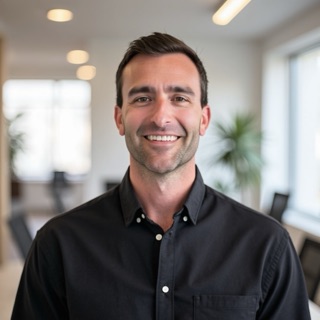
I recently used Claude to analyze my family's finances. I gave it bank statements, retirement accounts, tax returns, trust documents, and every insurance policy we own, and asked it to find the gaps. Every area came back with suggested changes, which I didn't find particularly surprising until I got to the insurance. I've worked in the industry for over 20 years, and still, I had gaps in my own coverage.
What Claude found in our finances
The bank statements helped me gain a better understanding of our spending habits. The retirement accounts revealed there was some room in my plan that I wasn't using. Tax returns came back with business owner strategies to run by our CPA. And apparently our will and trust disagreed about when our kids would inherit (one said 18 while the other said 25). A few of these were things I'd been paying professionals for years to catch.
But the most egregious errors in my setup were gaps in insurance. I had neglected to renew an earthquake policy on our rental property, something that is typically a stand-alone plan in California. The limits of liability on our umbrella policy were painfully out of date from when we initially set it up 10 years ago. And my wife's universal life policy, bought by her parents when she was born, had been drawing down its own cash value for years, so we replaced it with a term plan.
Even seasoned professionals have limitations. Finance and insurance cover a lot of ground, and I specialize in just one part of it, disability insurance. It's hard for one person to look at all of it together, so now more of the people we talk to are turning to AI to see the whole picture. As a result, many of our recent client interactions were initiated by them telling us what AI said about their coverage.
AI is telling people they need disability insurance
In September, a CRNA uploaded his financial information to Meta AI and asked if he had any gaps. It told him that he was one injury or illness away from financial disaster. That same week a software engineer had ChatGPT analyze her employer's long-term disability policy, which didn't include own-occupation coverage. A few days later, a management consultant planning for her first child asked Claude what insurance to get before getting pregnant.
All three contacted us specifically because their AI told them that they needed to get disability insurance. AI has been telling people where they have gaps in coverage, and we are getting new clients because of it.
Is AI changing what kinds of insurance people buy?
I think so. Most of what I read about AI and insurance is about how people shop for coverage differently, or how insurance companies use AI to automate their work or increase productivity. I haven't seen much written about what's happening in our own business, where AI is changing what kinds of insurance people buy and who buys them.
For most of our 15+ years in business, our client base was largely physicians, dentists, and CRNAs, people whose training programs often pointed them towards disability insurance early in their careers. Now AI is having that same conversation with consultants, engineers, and sales representatives, and more of the people who reach us this way work outside of medicine.
We ran a survey of 1,028 high earners in September. 62% had asked AI a financial or insurance question in the past year, and 35% had acted on the answer. At the same time, 35% had no disability insurance of any kind.
Where AI still needs a licensed agent
For the time being, AI is good at finding gaps, but it's rather limited in its ability to close them. A psychologist who called us had recently been declined by a carrier and asked ChatGPT what he should do next. It told him to find a broker who could prescreen his medical history with other insurance companies. This typically requires a licensed human agent, and happens to be an area in which we excel. Knowing which carriers will take a second look at someone previously declined comes from years of experience.
I expect more people to use AI for these purposes as tools improve and become more commonplace. Many of them will be people we've rarely reached before, because nothing in their careers ever brought up disability insurance. If you want more on how high earners are using AI, our analysis of the survey is The Twelve Percent Who Would Let an AI Buy Their Insurance.
Toby Lason is Managing Partner of Seaworthy Insurance, an independent brokerage specializing in disability and income protection for high-income professionals. He holds AHIP's Disability Income Fellow (DIF) designation, its most advanced in disability income.
Frequently asked questions
Can an AI assistant review my insurance coverage for gaps?
Why can an old universal life policy lapse even when every bill is paid?
How many high earners have no disability insurance?
More from insights
- The Twelve Percent Who Would Let an AI Buy Their InsuranceSeaworthy's managing partner on what a September 2026 survey of 1,028 high earners says about how far buyers will let an AI assistant go in buying insurance, who they trust, how it differs by age and occupation, and what he would do if he were buying today.
- Storefronts for MachinesTo our knowledge, Seaworthy Insurance is the first disability insurance brokerage to expose an agent-callable quote action over MCP. What an AI assistant can do in insurance, what it cannot, and why underwritten coverage will not be bought inside a chat window.
- AI Sent Me Back to School at 43Why AI sent a twenty-year disability insurance operator back to school for the CLU designation. AI made surface knowledge free and, in doing so, made verifiable human expertise the thing that now carries the weight.